
The Truth About Breast Supplements: What Science Says vs. Myths
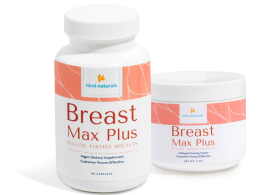
Breast supplements are a topic of interest for many. They promise enhancement, health benefits, and increased milk production. But how much of this is true?
The market is flooded with natural breast enhancement products. These often contain herbs like fenugreek and fennel. But scientific backing for their effectiveness is limited.
Breast feeding supplements aim to boost milk production. They include ingredients like blessed thistle. Yet, their safety and efficacy can vary.
Breast health supplements, including vitamins like D and E, are crucial. They support overall breast wellness. But they are not a cure-all.
Myths about breast growth supplements abound. Many claims are exaggerated. Understanding science is key to making informed choices.
This article explores the truth about breast supplements. We’ll separate fact from fiction. And provide insights into natural alternatives and breast health.
Understanding Breast Supplements
What Are Breast Supplements?
Breast Enhancement supplements are products designed to enhance or support breast health. They serve various purposes, from promoting growth to improving milk production. The appeal of non-surgical options drives the demand for these products.
Typically, these supplements contain a blend of herbs and vitamins. They claim to stimulate breast tissue growth naturally. But the efficacy often depends on individual responses and the specific ingredients used.
Here are some common types of ingredients in breast supplements:
-
Herbs: Fenugreek, fennel, and saw palmetto
-
Vitamins: Vitamin D and Vitamin E
-
Minerals: Zinc and calcium
These components are marketed as natural solutions. However, consumers should consider scientific evidence before using them. Not all claims are backed by thorough research, making informed decisions crucial.

Types of Breast Supplements
Breast supplements can be categorized based on their intended benefits. While some focus on growth, others enhance milk production or overall breast health. Understanding these categories helps in selecting the right product.
Breast Growth Supplements: These claim to increase breast size. They often include herbs believed to mimic estrogen effects. However, scientific studies showing significant impact are limited.
Breast Feeding Supplements: Designed to increase milk supply, these supplements contain galactagogues like fenugreek. They are popular among nursing mothers but need careful consideration regarding safety and dosage.
Breast Health Supplements: These focus on maintaining healthy breast tissue. Ingredients often include antioxidants and omega-3 fatty acids that support breast health without claiming enhancement.
Consumers should approach each type with caution. Understanding the ingredients and their potential effects is key. Consulting with healthcare professionals before use is always advisable.
Science Behind Breast Growth Supplements
What Research Says
Scientific backing for breast growth supplements varies greatly. While many products promise remarkable results, evidence is often scarce.
Researchers have studied some popular herbs, but findings are not always consistent. Most studies are small, limiting their reliability. In many cases, positive results could be due to the placebo effect.
Here are some key research insights:
-
Limited studies show minor growth from certain herbs.
-
Some ingredients are linked to increased estrogen levels.
-
Evidence often lacks detailed clinical trials.
Many products rely on anecdotal success stories rather than scientific proof. Consumers should be cautious and critically evaluate such claims. While testimonials are compelling, they aren't substitutes for robust scientific research.
Regulatory bodies like the FDA do not evaluate these supplements the way they assess drugs. This lack of oversight contributes to variations in product quality and effectiveness. As a result, outcomes can vary from person to person.
Ingredients that May Aid in Enhancement
The formula of breast supplements often includes herbs thought to mimic hormonal effects. Certain ingredients have been historically used in traditional medicine for similar purposes.
Natural components in these supplements may influence hormonal balance. But their efficacy is not universally accepted.
Here's a rundown of common ingredients:
-
Fenugreek: Believed to increase milk production and breast tissue.
-
Saw Palmetto: Claimed to support estrogen production.
-
Fennel: Used traditionally for hormonal balance.
While these ingredients may appear beneficial, no comprehensive studies confirm their effectiveness for breast growth. Individual results can vary greatly based on body chemistry and dosage.
Understanding possible interactions and side effects is crucial. Consulting with healthcare professionals offers insight into safe and suitable options. Consumers should prioritize safety over unverified enhancement claims.
Myths Surrounding Breast Enhancement Supplements
Common Misconceptions
Breast enhancement supplements often have inflated promises. Some misconceptions are widely believed, though they lack credible evidence.
People may think these products offer quick and dramatic changes. Many consumers overlook the risks or the unproven nature of these claims.
Common misconceptions include:
-
Instant and significant growth is possible.
-
All-natural ingredients mean they're completely safe.
-
Supplements alone can rival surgical results.
The idea that these products can replace surgery or medical interventions is misleading. Believing in such myths may lead to disappointment or even health risks. Consumers should be educated to discern facts from marketing hype. Misleading information can easily be confusing, especially when various sources offer conflicting advice.

Debunking Myths with Scientific Evidence
Understanding science helps debunk myths. Despite bold advertising, clinical evidence for most supplements is weak.
Fact-based research challenges these myths:
-
Instant results are unrealistic. It takes time and often results are subtle.
-
Natural does not equal safe. Allergic reactions or side effects can occur.
-
Herbal supplements differ from pharmaceutical-grade treatment.
Clinical studies rarely support rapid and sizable breast increase. Healthcare guidance stresses evaluating products individually. Regulated medications undergo stringent checks, unlike these supplements. Thus, assuming comparable efficacy is misguided.
Vigilance is crucial. Studies consistently show variations in product quality and potency. Consultation with healthcare professionals aids informed decisions, ensuring safety and efficacy. Reliable evidence, not advertisements, should guide supplement choices.
Supplements for Breastfeeding
Supplements to Increase Breast Milk
Many nursing mothers seek supplements to boost milk production. These supplements often claim to enhance milk supply naturally.
Key ingredients frequently found in these products include herbs like fenugreek and blessed thistle. These plants are traditionally used to support lactation, but scientific backing varies. Some mothers report positive effects, while others see no change.
Before starting any supplement, it's wise to speak with a healthcare provider. Ensuring the supplement meets health needs is crucial. Here are typical ingredients seen in these products:
-
Fenugreek: Believed to enhance milk production.
-
Blessed thistle: Traditionally used alongside fenugreek.
-
Goat's rue: Used in some cultures for milk supply support.
Monitoring the intake of these substances is vital. Excessive consumption may cause side effects or interact with medications. Personalizing a breastfeeding strategy with professional guidance often yields the best results.

Safe Breast Milk Supplements
Choosing safe breast milk supplements necessitates careful research. Safety profiles vary with each product; professional advice is recommended.
Effective breastfeeding supplements should balance efficacy with safety. Ingredients should be well-studied and widely recognized as safe for nursing mothers. Some substances, like omega-3 fatty acids, are beneficial both for milk composition and maternal health.
Key safe supplements include:
-
Omega-3 fatty acids: Essential for the baby's brain development.
-
Vitamin D: Supports both maternal and infant health.
-
Probiotics: May improve gut health and immunity.
Quality matters. Verified brands with transparent ingredient lists should be prioritized. Always verify with healthcare professionals before using a new product. Evaluating your and your baby's needs ensures you select the most suitable option. Avoiding common allergens further ensures both safety and effectiveness.
Natural Alternatives to Breast Augmentation
Effectiveness of Natural Breast Enhancement Products
Natural breast enhancement products have gained popularity as non-surgical options. Many people are interested in enhancing their appearance without invasive methods.
These products often boast benefits from herbal ingredients like fenugreek, fennel, and saw palmetto. However, scientific evidence supporting their effectiveness is limited and mostly anecdotal. Individuals report varying degrees of success, often influenced by individual differences.
While some may experience noticeable changes, others might see no effect. It's essential to approach these products with realistic expectations. Key natural ingredients often found in these products include:
-
Fenugreek: Traditionally believed to balance hormones.
-
Fennel: Thought to support breast tissue health.
-
Saw palmetto: Often marketed for hormonal balance.
Investing in natural products should involve scrutinizing the science behind the claims. Researching ingredients and consulting with healthcare professionals can help ensure a safe and informed decision. Keep in mind that outcomes can differ significantly among users due to various factors, including lifestyle and genetics.

Considerations Before Trying Alternatives
Before exploring breast augmentation alternatives, several considerations should guide your approach. These include safety, effectiveness, and personal health needs.
Safety is paramount; potential side effects and interactions with medications need evaluation. Also, understanding that these alternatives likely offer subtle results is crucial. They are not equivalent to surgical procedures in terms of impact.
Prior to any decision, consult a healthcare provider to assess risks and benefits. Supplementation should be a component of a wider strategy that includes lifestyle and diet.
Important considerations include:
-
Consultation with a professional: Essential for personalized advice.
-
Ingredient research: Understand potential effects and interactions.
-
Realistic expectations: Natural options typically offer modest results.
Also, cultural pressures around breast size should be acknowledged. By being well-informed, individuals can make empowered decisions about their health and body image.
Importance of Breast Health
Vitamins for Breast Health
Maintaining breast health involves not only lifestyle changes but also ensuring sufficient nutrient intake. Vitamins play a critical role in supporting breast tissue and overall health.
Vitamins D and E are particularly important. Vitamin D helps regulate cell growth and might reduce breast cancer risk. Vitamin E acts as an antioxidant, protecting cells from damage.
Incorporating these vitamins into your diet can be beneficial. They are found in foods like fish, nuts, and leafy greens. Supplements can also be considered, but it's essential to choose high-quality products.
A well-balanced intake of vitamins involves:
-
Vitamin D: Essential for cell growth and immune function.
-
Vitamin E: Protects cells from oxidative stress.
-
Omega-3 fatty acids: Supports tissue health.
Regular health check-ups can aid in monitoring vitamin levels, ensuring breast health is maintained over time.
Tips for Maintaining Healthy Breasts
Taking care of your breasts goes beyond supplements and involves lifestyle and self-care practices. Regular check-ups with healthcare providers should be a priority.
Incorporating physical activities like exercises targeted at improving circulation and strengthening chest muscles can be beneficial. A diet rich in fruits, vegetables, and healthy fats supports breast tissue health.
Self-exams can help detect changes early. Breast massage using oils can improve circulation and assist in relaxation, contributing to overall wellness.
Key practices for breast health include:
-
Regular check-ups: Ensure early detection of potential issues.
-
Healthy diet: Includes fruits, vegetables, and whole grains.
-
Physical activity: Helps improve circulation and muscle strength.
By integrating these habits into daily routines, individuals can effectively support and maintain the health of their breasts, ultimately fostering overall well-being and confidence.
FAQs About Breast Supplements
What are the most effective breast supplements for growth?
-
Discussion on breast growth supplements and their efficacy
Are breast enhancement supplements safe to use during breastfeeding?
-
Addressing concerns regarding safety for nursing mothers
How can I increase my milk supply naturally?
-
Tips for using breast feeding supplements and natural methods
What vitamins are essential for breast health?
-
Highlighting the role of vitamins D and E in breast wellness
Are natural breast enhancement products better than surgical options?
-
Comparing effectiveness and safety between natural products and surgery
This outline incorporates the target keywords strategically while providing a comprehensive structure to address the topic effectively, maximizing potential visibility in search engines.